
Sources: prices from Fixr's roof vent installation cost guide, updated January 31, 2025; vent area from the 2021 International Residential Code, section R806.2.
Roof ventilation installation cost runs from about $55 for a single static vent to around $1,200 for a solar-powered one, according to Fixr's cost guide, and most homeowners pay $240 to $600 to add a ridge vent. What you actually pay depends less on the price of one vent than on how many your attic needs, what kind, and whether the work is done on its own or while the roof is being replaced.
This guide lays out what each type of roof vent costs, how to work out how much ventilation your attic needs, and why the cheapest time to fix ventilation is during a new roof. If a replacement is coming up, our roof installation page explains how we plan ventilation, decking, underlayment and flashing together.
In this guide
- Roof vent cost by type
- How much ventilation your attic needs
- What moves the price
- The cheapest time to add ventilation
- Mixing vent types: what not to do
- Why ventilation matters on a Texas roof
- What goes into a ventilation quote from us
- Roof ventilation cost questions
Roof vent cost by type
A vented attic needs two kinds of vents: intake low on the roof, usually at the soffits, and exhaust high, at or near the ridge. Here is what each common type costs installed, per vent or per run:
| Vent type | Job | Installed |
|---|---|---|
| Turtle (box) vent | Exhaust, static | $55–$200 |
| Mushroom vent | Exhaust, static | $55–$250 |
| Turbine (whirlybird) | Exhaust, wind-driven | $65–$250 |
| Gable vent | Intake or exhaust, wall | $70–$330 |
| Low-profile dormer vent | Exhaust, static | $75–$300 |
| Ridge vent | Exhaust, continuous | $240–$600 |
| Soffit vent | Intake | $290–$475 |
| Electric attic vent | Exhaust, powered | $265–$1,000 |
| Solar vent | Exhaust, powered | $335–$1,200 |
Source: Fixr, cost to install a roof vent, updated January 31, 2025. National figures for the vent plus labor; the unit alone is roughly $10–$300 for most static and ridge vents.
Fixr puts labor at about $45 to $75 an hour, with one to four hours per vent depending on type and roof. Replacing an existing vent runs about $200 to $600, and fixing a leaking roof vent about $400 to $1,000.
How much ventilation your attic needs
The 2021 International Residential Code sets the minimum: 1 square foot of net free vent area for every 150 square feet of attic. The code allows half that, 1 for every 300, when 40 to 50 percent of the vent area is up high (within 3 feet of the ridge) and the rest is low in the attic. The net free area is printed on each vent's label, and it is smaller than the vent's outside size.
A quick example for a 2,000-square-foot attic:
- At 1/150: about 13.3 square feet of net free area, or roughly 1,920 square inches.
- At 1/300, balanced: about 6.7 square feet, or roughly 960 square inches, split close to evenly between soffit intake and ridge or roof exhaust.
That is why vent count varies so much from house to house. A long, simple ridge can carry most of the exhaust in one continuous vent. A hip roof with a short ridge may need several static vents instead, as Fixr notes. Local code adoption can vary, so the building plans and the local inspector have the final word.
What moves the price
- Vent type. Static vents are the cheapest and simplest. Powered and solar vents cost the most and add wiring or a panel.
- Number of vents. The math above, not the price of one vent, sets most of the bill.
- Roof pitch and height. A steep or two-story roof takes more time and safety equipment.
- Intake you do not have. Adding exhaust without intake does little. If the soffits are solid or blocked by insulation, opening them up is part of the job.
- Repairs. Rotted decking around an old vent, or old vents that need closing off, add labor.
- Permits. Fixr puts a permit at around $75 where one is needed.
The cheapest time to add ventilation
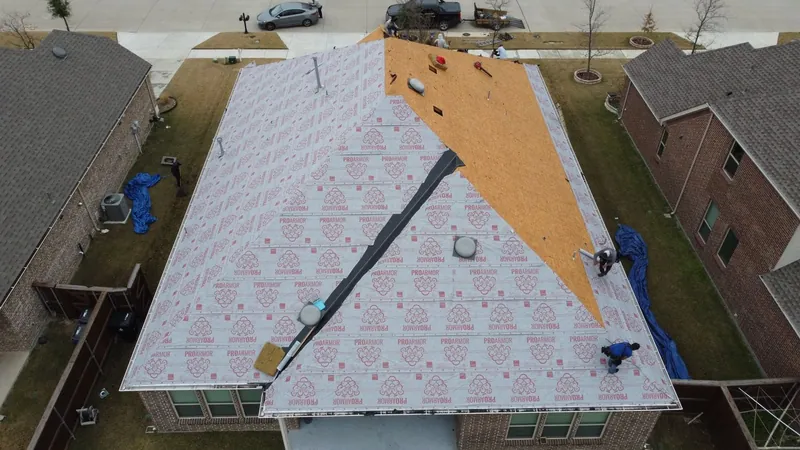
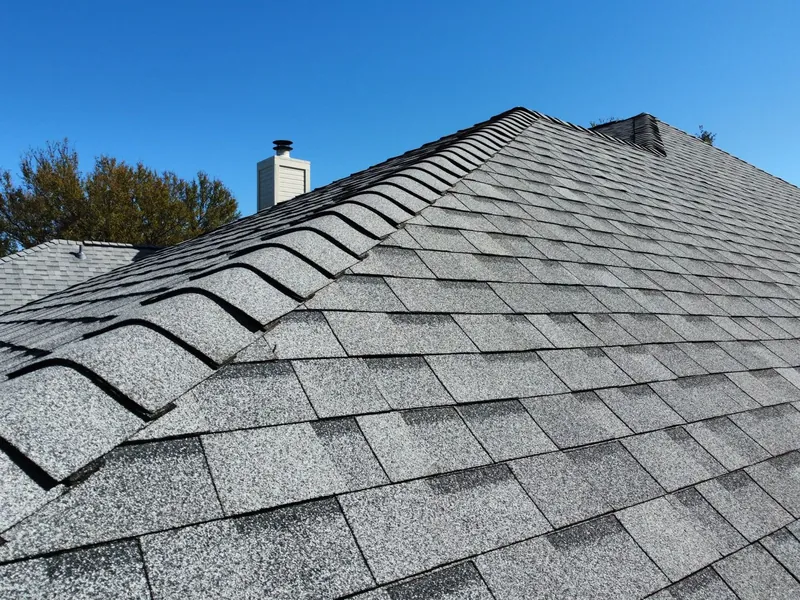
During a roof replacement. A ridge vent means cutting the sheathing back along the peak, installing the vent, flashing it and capping it with ridge shingles. This Old House calls that costly on an existing roof and not recommended there, but a smart thing to budget for when the roof is being replaced anyway. The same goes for moving or adding static vents: with the old shingles off, each vent gets cut in and flashed into the new courses, with no patching around old shingles.
Attic ventilation is also easier to design into a new roof than to fix in an old one. A vented attic needs air coming in low, at the soffits, and leaving high, at the ridge or through roof vents, and a re-roof is the moment to get that balance right.
Mixing vent types: what not to do
More vents are not always better. Exhaust vents of different types can work against each other. This Old House's guide to gable vents says ridge vents and gable vents do not work well together, and that homeowners adding a ridge vent should block the gable vents to get the most from it. The same logic applies to a powered attic fan: This Old House's attic ventilation guide (updated May 2026) warns that without enough soffit intake, a fan can pull conditioned air up out of the house instead of outside air through the soffits.
The other common problem is insulation pushed into the eaves, covering the soffit vents from inside. Baffles between the rafters keep a channel open from the soffit into the attic.
Why ventilation matters on a Texas roof
Proper attic ventilation matters a great deal in a Texas summer, because a roof that traps heat in the attic ages faster from the underside. It also affects comfort: attic ventilation and insulation do as much for a hot upstairs as the roof surface does. Fixr's guide makes the same point about warm-weather attics: without airflow, heat and moisture build up, wear the roofing material and raise energy costs.
One Texas detail on cost: the labor to repair or remodel a home is not taxable in Texas, according to the Texas Comptroller, so under a lump-sum contract you should not see sales tax added to a residential roof or ventilation job.
What goes into a ventilation quote from us
We do not publish prices, because ventilation depends on the attic, the roof shape and what is already there. Here is what our inspection looks at instead:
- The existing vents and the soffits. What is there now, and whether intake and exhaust are balanced.
- The roof shape. Whether a continuous ridge vent fits, or static vents make more sense.
- The condition of the roof. If replacement is close, ventilation is best done with it.
- A straight answer on the estimate. If the ventilation is clearly short, we say so on the estimate rather than quietly roofing over the problem.
We are a family-owned roofing company with an office in Frisco, working across Dallas-Fort Worth, San Antonio and Austin since 2021, from McKinney and Allen to Georgetown and Boerne. For the full cost of a new roof, see our guide to roof replacement cost. To plan ventilation into your next roof, visit our roof installation page or request a free inspection.
Roof ventilation cost questions
How much does it cost to install roof vents?
Fixr's national figures run from about $55 to $250 for a single static turtle or mushroom vent, $240 to $600 for a ridge vent, and up to about $1,200 for a solar-powered vent, installed. The number of vents your attic needs sets most of the total.
How many roof vents do I need?
Enough to meet the code's net free vent area: 1 square foot per 150 square feet of attic, or 1 per 300 when the vents are balanced between high exhaust and low intake. A 2,000-square-foot attic needs about 13.3 square feet at 1/150, or about 6.7 at 1/300.
Is a ridge vent worth the cost?
On a roof with a long, continuous ridge, usually yes, especially when it goes in during a roof replacement. Fixr calls ridge vents the most effective static vent available. On a hip roof with a short ridge, static vents may be the better fit.
Can you add a ridge vent to an existing roof?
It can be done, but This Old House calls it costly on an existing roof and not recommended there, because the sheathing has to be cut back, the vent flashed and the ridge re-capped. It is much cheaper to add during a re-roof.
Should I have gable vents and a ridge vent?
Usually not both. This Old House says ridge and gable vents do not work well together, and recommends blocking the gable vents when a ridge vent is added.
Do powered attic fans help?
They can move a lot of air, but only with enough soffit intake. Without it, This Old House warns, a fan can pull conditioned air out of the house instead of outside air through the soffits.
Is ventilation included in a new roof?
It should be checked on every replacement. During our inspection we look at the existing vents and the soffits, and if the ventilation is clearly short, we say so on the estimate rather than roofing over the problem.