
Most roof problems start small. A shingle lifts in a windstorm, a strip of flashing pulls away from the wall, a vent boot cracks in the sun, and for a while nothing seems wrong. Then a heavy rain comes through and there is a brown ring on the ceiling or a drip in the closet. The sooner a small problem is found and fixed, the less it costs and the less damage the water does to the decking, insulation and drywall underneath.
Viva Roofing repairs residential roofs across Dallas-Fort Worth, Austin and San Antonio. We are a family-owned company, working since 2021 out of our office in Frisco, and the owner, Mike Zhukov, stays close to the work. Our customers tend to say the same things about us in their reviews: we respond, we explain what we found, and we do not turn a repair call into a sales pitch.
That last part matters on a repair. Plenty of roofs that get called "shot" only need a few hours of work. Some roofs really are past saving, and patching them again just delays the bill. We will tell you which one you have, show you the photos, and let you decide.
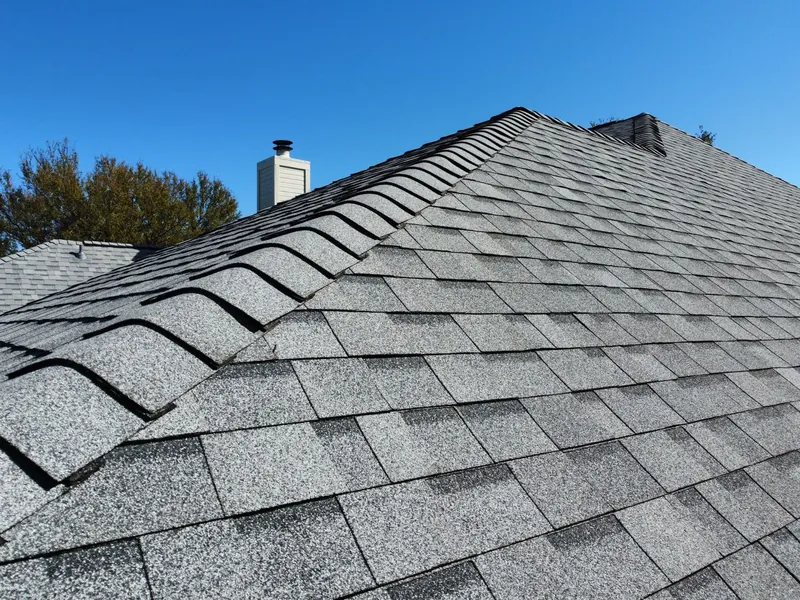
Roof Leaks: Finding the Real Source
The spot where water shows up on your ceiling is rarely the spot where it gets in. Water runs downhill along the underlayment and the top of the decking, sometimes several feet, before it finds a seam or a nail hole and drips through. That is why a patch slapped on directly above the stain so often fails. Before we fix a leak, we trace it.
We start from the inside when we can: the ceiling stain, the attic above it, any dark or damp wood, and the path the water seems to have taken. Then we go up and work uphill from that point, checking the most common entry points in order. In our experience, most leaks come from one of a handful of places, which are the sections below.
Once we find the source, we photograph it so you can see what failed, then make the repair. If the leak has been going on for a while and the decking under it has gone soft, that wood needs replacing too, and we will show you before we do it.
What We Repair
Missing, lifted and damaged shingles
High wind in a Texas thunderstorm can break the seal on a shingle and fold it back, or tear it off entirely. A lifted shingle may look fine once it settles, but the seal is broken and the next storm can take it. Hail can also crack or bruise individual shingles. For a limited number of damaged shingles, we remove the broken ones, slide new shingles into place, nail them correctly and seal them so they lie flat. We match the color and style as closely as possible, though shingles that have been in the sun for years will look a little different from new ones until the new ones weather.
Flashing
Flashing is the metal that seals the joints where the roof meets something else: a wall, a chimney, a dormer, a skylight. It is one of the most common leak points on any roof, because those joints move with heat and cold, and old sealant cracks. Step flashing along a wall can come loose, counterflashing on a chimney can pull out of the mortar, and caulk-only fixes from a previous repair tend to fail within a season or two. We reseat or replace the flashing so it sheds water the way it was designed to, rather than relying on a bead of sealant to hold it.
Pipe boots and roof vents
Every plumbing vent pipe that comes through your roof has a rubber collar, called a boot, that seals around it. In the Texas sun, those rubber collars dry out and crack, and when they do, water runs straight down the pipe into the attic. It is one of the cheapest leaks to fix and one of the most common. Roof vents and exhaust vents have their own flashing and seals, which can also crack or come loose. We replace failed boots and reseal or replace damaged vents.
Valleys and roof edges
Valleys, where two slopes meet, carry more water than any other part of the roof, so worn or poorly installed shingles there show up as leaks quickly. Along the edges, damaged drip edge or rotted fascia can let water get behind the gutter line. We repair the shingles and underlayment in the valley and the metal along the edge as needed.
Storm damage repairs
After hail or high wind, some roofs need a few shingles and others need much more. If the damage is limited, a repair is often all it takes. If it is spread across the roof, we will explain why a replacement may be the better answer. Our hail and storm damage page covers what we look for after a storm.
Why Small Roof Problems Grow in Texas
A roof in Dallas-Fort Worth, Austin or San Antonio works hard. The same roof that sits under full summer sun for months gets hit with sudden spring storms, and the swing between those two is what turns small problems into big ones.
Heat dries out seals and rubber
Sealant around flashing, the adhesive strips that hold shingles down, and the rubber in pipe boots all dry out and harden in strong sun. Once they crack, they stop sealing, and the next storm finds the gap. That is why so many leaks we see start at a vent boot or a run of flashing rather than in the middle of a slope.
Storms test every weak spot at once
A Texas thunderstorm can bring wind-driven rain that comes in sideways, under shingles and behind flashing that would shed a gentle rain without trouble. A roof with one lifted shingle or one loose piece of flashing may stay dry for months and then leak the first time a storm pushes water uphill.
Water does damage you cannot see
By the time a stain shows up on the ceiling, water has usually been getting into the attic for a while. It soaks insulation, which then stops insulating well, and it wets the decking, which softens over time. A repair caught early is often a few shingles or a boot. Caught late, it can include decking and interior drywall as well.
What You Can Check Yourself, Safely
We do not recommend climbing on your roof, especially a steep one. But there is a lot you can see from the ground and from inside the house that helps you know when to call.
- Walk the yard after a storm. Look for shingle pieces, strips of metal, or bits of vent cap on the lawn and in the beds.
- Check the downspouts. A heavy pile of granules at the bottom of a downspout can mean shingles are wearing or were hit by hail.
- Look at each slope from across the street. Shingles that look out of line, lifted at the edges, or a different color in patches are worth a closer look.
- Check ceilings and the tops of walls. Brown rings, bubbling paint, or a musty smell in a closet or upstairs room can be early signs of a leak.
- Peek into the attic with a flashlight. If you can do so safely, look for damp insulation, dark stains on the wood, or light showing through the roof boards.
If you see any of these, call us and we will take a look. You get photos of whatever we find.
Repair or Replace? An Honest Answer
This is the question most homeowners are really asking when they call about a repair, and it deserves a straight answer rather than a sales pitch. Here is how we think about it.
When a repair is the right call
- The damage is limited to one area: a few shingles, one vent boot, one run of flashing.
- The rest of the roof still has good granule coverage and the shingles lie flat.
- The decking underneath is solid.
- The roof has not been patched in the same spot again and again.
If that describes your roof, a repair is usually the smart money, and we will tell you so. There is no reason to replace a roof with years left in it.
When replacement starts to make more sense
- Shingles are curling, cracking or losing granules across several slopes, not just one spot.
- Hail damage is spread across the whole roof rather than concentrated in one area.
- You have repaired leaks in different places more than once and new ones keep appearing.
- The decking is soft or sagging in more than one place.
On a roof like that, each repair buys a little time but the next problem is already forming somewhere else. Repeated service calls on an aging roof can add up to a meaningful share of what a new roof costs, without giving you a new roof at the end of it. If we think you are at that point, we will show you the photos that led us there and give you a written estimate for both options when that is useful. Our roof replacement page walks through what a full replacement involves.
Either way, the decision is yours. Our job is to give you accurate information and do good work on whichever option you choose.
How a Repair Visit Works
When you call us about a problem, here is what to expect:
- We talk through what you are seeing. Where the water shows up, when it started, whether it only happens in hard rain or wind-driven rain. That helps narrow down where to look.
- We inspect and photograph. We check the attic where it is accessible, then the roof itself, and photograph the source of the problem and anything else worth knowing about.
- You get a written estimate. It says what we will repair and what it costs, before any work starts.
- We make the repair. Then we photograph the finished work so you can see it, since most people would rather not climb up there themselves.
If you are not sure whether you need a repair at all, start with a free roof inspection. You get the photos either way.
Why Homeowners Call Viva Roofing for Repairs
- We find the source. We trace a leak to where it actually enters, rather than patching above the stain and hoping.
- Honest about repair versus replace. If a repair will hold, that is what we recommend. Our reviews talk about no upselling for a reason.
- Photos before and after. You see what failed and what we did about it.
- Written estimate first. The scope and price are on paper before we start.
- Owner involved. Mike is personally involved in the work, and customers mention him by name in our reviews.
- 5.0 stars on Google. From 63 reviews by homeowners in Dallas-Fort Worth, Austin and San Antonio.